
This article is in Russian — the editorial team currently writes them in Russian only.
Planetary Transits: What They Are and Why They Shape the Mood of Your Day
Understanding planetary transits
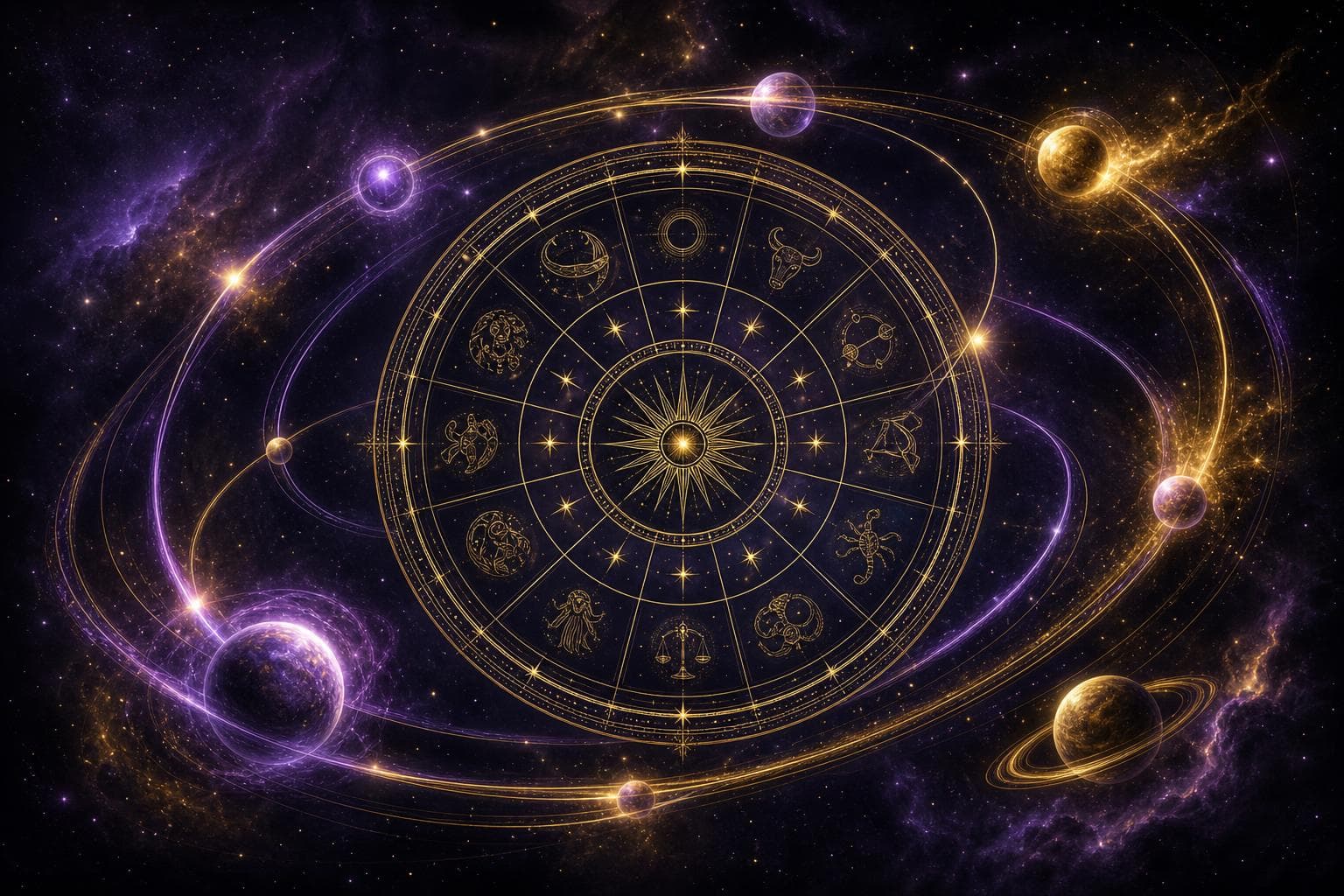
Transits are the current positions of the planets in the sky and the aspects they form to points in your natal chart. Put simply, the sky is constantly moving, and those movements “meet” your personal symbolic portrait—your Sun, Moon, Ascendant, and houses. When people ask what planetary transits are, this meeting is the key: a transiting planet activates themes imprinted at the moment of your birth.
This activation is not magic in the literal sense, but a language of symbols. Saturn typically brings responsibility and limitations into focus, Jupiter expansion and good fortune, Mars energy and conflict. When a transit connects with your natal Moon, your emotional atmosphere shifts; when it contacts Mercury, the rhythm of your thoughts and communication changes.
Why transits affect the mood of the day
Mood is the psyche’s immediate response to inner and outer stimuli. Transits change the “temperature” of those stimuli: they strengthen or soften tendencies already present in the natal chart. For example, a challenging Mars transit to your Moon can stir irritation and impatience, while a harmonious Venus aspect brings warmth and a desire for closeness.
It is important to remember that a transit does not dictate an action—it creates potential. You do not have to raise your voice during a Mars conjunction, but the likelihood of a confrontational tone increases. Knowing this helps you choose a wiser way to respond.
Everyday examples of transits in action
A simple example is a transiting Mars-Saturn square: you run late in the morning, feel irritated, notice tension in your body, and are inclined toward abrupt decisions. Or consider a Jupiter-Venus trine: the day is favorable for negotiations, creative projects, and pleasant surprises. If a lunar transit moves through your house of communication, expect a lively stream of messages and an emotional surge in conversations and chats.
These events can be read as mood markers: there is no need to dramatize them; it is enough to recognize them and adjust. The sky offers the day’s theme—you choose how to live it.
How to use transit knowledge in practice
To avoid becoming a prisoner of your moods, keep a simple transit journal: note the date, the main planet aspecting your Moon or Ascendant, and how you felt. After a couple of months, you will begin to see patterns and learn to anticipate peaks of irritation, apathy, or enthusiasm.
A practical tip: on days with active Mars, channel the energy into physical exercise; during difficult Saturn transits, schedule routine tasks and pay close attention to formalities. This is how understanding planetary transits turns from an abstract concept into a tool for managing your mood and daily affairs.