
Personality Types
Four systems, four takes on the same question “who am I”: the 16-types test, socionics, the Enneagram and Jung's archetypes.






How These Systems Differ
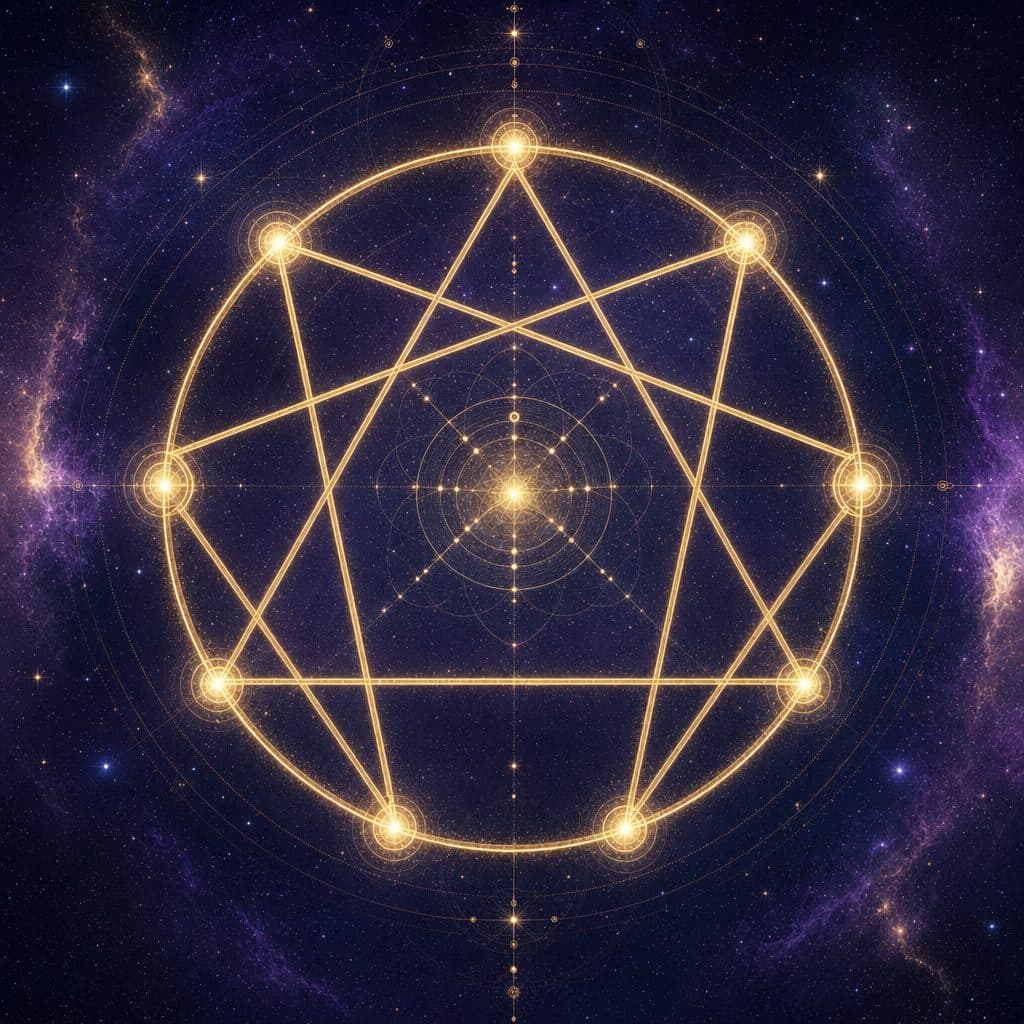
The 16 personality types test and socionics are technically built the same way — 24 questions across four axes (where your energy comes from, how you perceive the world, how you decide, how you act) — but they speak different languages: the familiar four-letter codes versus classic socionics names like Stierlitz or Dostoevsky. The Enneagram looks deeper — not at behaviour but at the core fear and desire driving it — and gives you a “wing”, the neighbouring type that softens your main one. Jung's archetypes are the most vivid system: 12 roles such as the Hero, the Sage or the Rebel, through which a person's life script is classically described.
How the Result Is Calculated
Your type is determined by an honest tally of answers, not picked by a neural network: each question scores a point for one pole, and the pole with more points wins. The AI joins only at the last step — it unpacks the already-determined type in plain language, with strengths, growth areas and how it shows up in relationships. These systems are popular psychology for self-understanding, not scientific personality diagnostics.